The class starts before the school day does. Around 8 a.m., in a government school in a village near Kandi, twenty or so children from Classes 5 to 8 arrive earlier than they need to, drop their bags in a corner, and sit down for an hour that is not on the timetable.
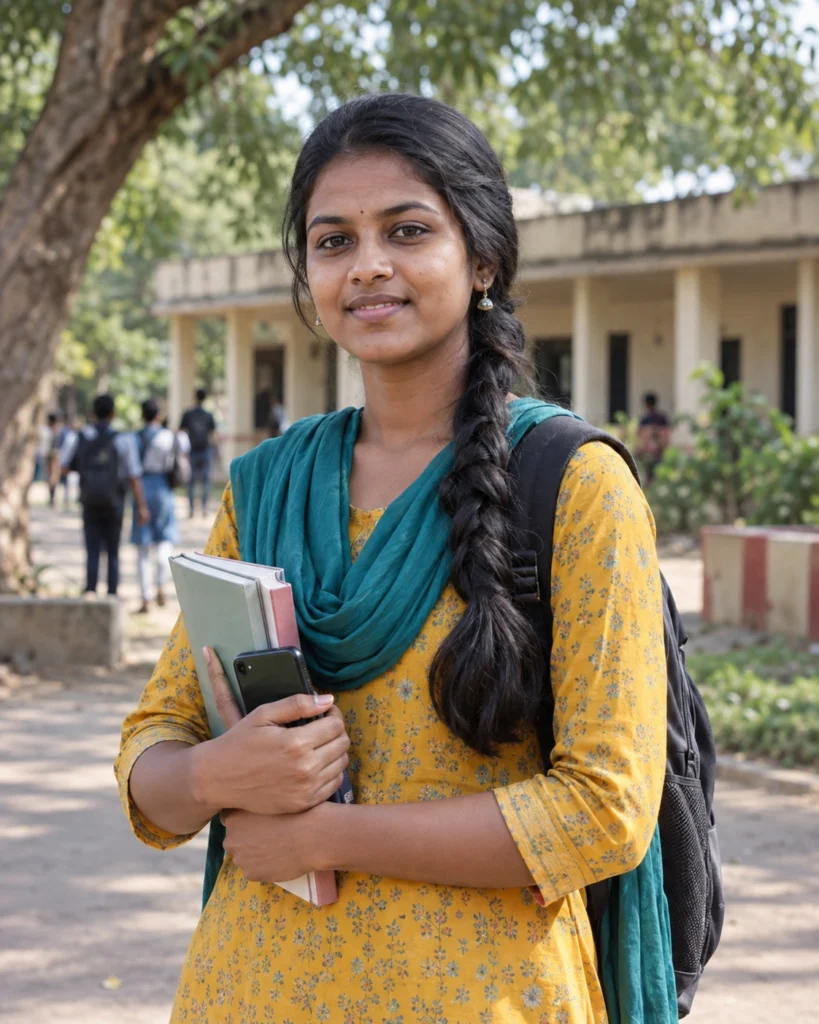
The person waiting for them is called Lakshmi in this telling. She is twenty-three. She finished her degree two years ago, she lives about four lanes from the school gate, and she knows most of these children by their family name before she knows them by their roll number.
That last detail is easy to skip past. It is also the part that does most of the work.
The distance that usually sits in a classroom
Ask a teacher who commutes into a rural school from the nearest town what makes the job hard, and the answer is rarely the syllabus. It is the gap. A child who has never heard English spoken outside a textbook is being asked to perform in it by an adult who arrives at 9.30 and leaves at 4. If the child stumbles, the stumble is public and the adult is a stranger. Most children solve this the sensible way: they stay quiet.
Quiet gets read as weak. It usually is not. It is a rational response to being asked to take a risk in front of someone who will not be there tomorrow to see you recover.
Skill in Village was built around removing that particular gap rather than working around it. The programme runs inside government schools in six villages in the Sangareddy area, in the hour before school or the hour after, for children in Classes 5 to 8. It uses English as its main tool, but its actual subject is confidence: speaking up, standing in front of a group, asking a question, being wrong out loud and carrying on.
None of that is teachable by a stranger in the time available. It is teachable by a neighbour.
Who is at the front of the room
The people who run these sessions are Community Resource Persons, and they are recruited from the villages they teach in. Not from the district headquarters. From the same few streets.
What this means in practice is small and constant. Lakshmi knows that one boy in the third row has been missing Thursdays because that is the day the family takes produce to the weekly market. She knows which two girls walk home together and can therefore be trusted to stay for an extra ten minutes. She knows the mothers, because she sees them at the borewell, and so a conversation about why a child has stopped coming happens in a doorway rather than through a note that never reaches home.
A visiting teacher would need a year to learn any of that. She started with it.
It also changes what the children believe is available to them. A young woman from their own village, who finished her degree and now stands in front of a class and is paid to do it, is a more persuasive argument for staying in school than any assembly speech about the importance of education. She is proof that the road exists, and that it starts here rather than somewhere else.
"The model only works where the community wants it. Schools give us the hour and the room. Families decide whether a child gets to come. Young graduates in the village decide whether this is a role worth taking on."
Chairperson, Rural Development COmitee Tweet
Training the person who does the teaching
Choosing local people is the easy half. Preparing them is the harder one, and it is where most of our effort goes.
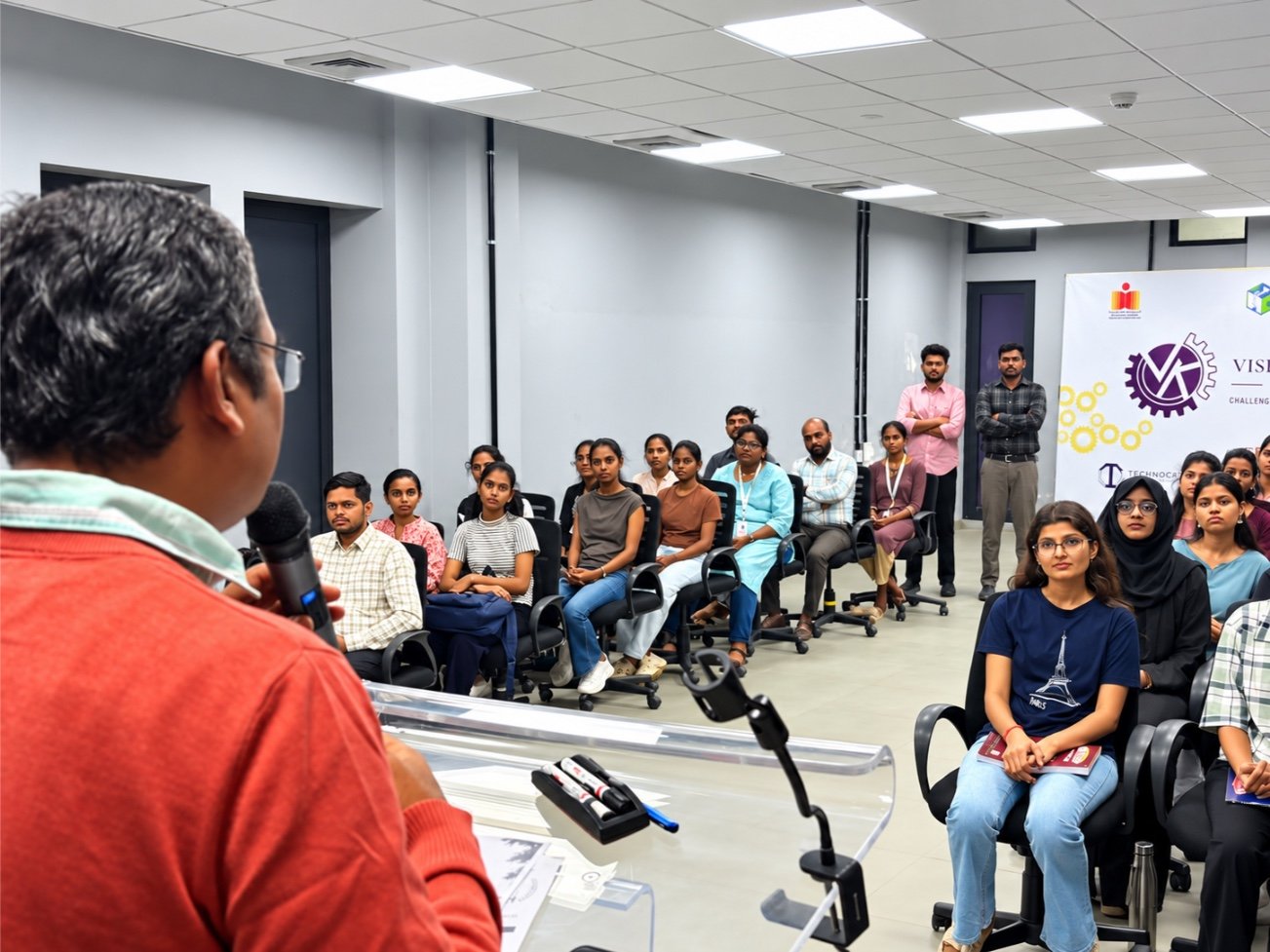
Community Resource Persons are sent for residential training with the Deshpande Foundation in Hubli, one of our founding partners and a knowledge partner whose Skill in Village model has been tested at scale over years. They come back with lesson structure, classroom management, the sequence in which the English content is introduced, and a way of running an activity so that the loudest child does not take up the whole hour.
The medium-term intention is to build master trainers locally, so that new Community Resource Persons can be trained close to where they will teach rather than sent hundreds of kilometres for it. That will take time to do properly, and we would rather do it slowly than claim it early.
There is a second outcome here that we think matters as much as the classroom one. Every Community Resource Person is a paid role created in a village, held by a young person from that village, usually a first-generation graduate. The programme is building teaching capacity in places that do not currently have much of it, and paying for it locally while it does.
This is a great reminder that financial planning isn’t just about numbers; it’s about aligning your money with your life goals. Physician Lifecycle Planning can help you make the most of your earning potential while ensuring you’re also prioritizing your well-being and quality of life.